SEO क्या है?
SEO का पूरा नाम Search Engine Optimization है। सरल भाषा में, SEO वह process है जिसके द्वारा website और उसके content को इस तरह improve किया जाता है कि search engines उसे बेहतर तरीके से समझ सकें और relevant searches में users को दिखा सकें।
SEO का उद्देश्य केवल Google में ranking पाना नहीं है। एक अच्छी SEO strategy का लक्ष्य सही audience तक पहुंचना, useful information देना, बेहतर user experience बनाना और website के business या career goals को support करना है।
SEO की जरूरत क्यों है?
मान लीजिए आपकी website पर बहुत अच्छा article है, लेकिन relevant search में users उसे ढूंढ नहीं पा रहे। SEO website की discoverability, structure, relevance और overall search presence को बेहतर बनाने में मदद कर सकता है।
याद रखें: SEO कोई एक shortcut या button नहीं है। यह एक long-term process है।
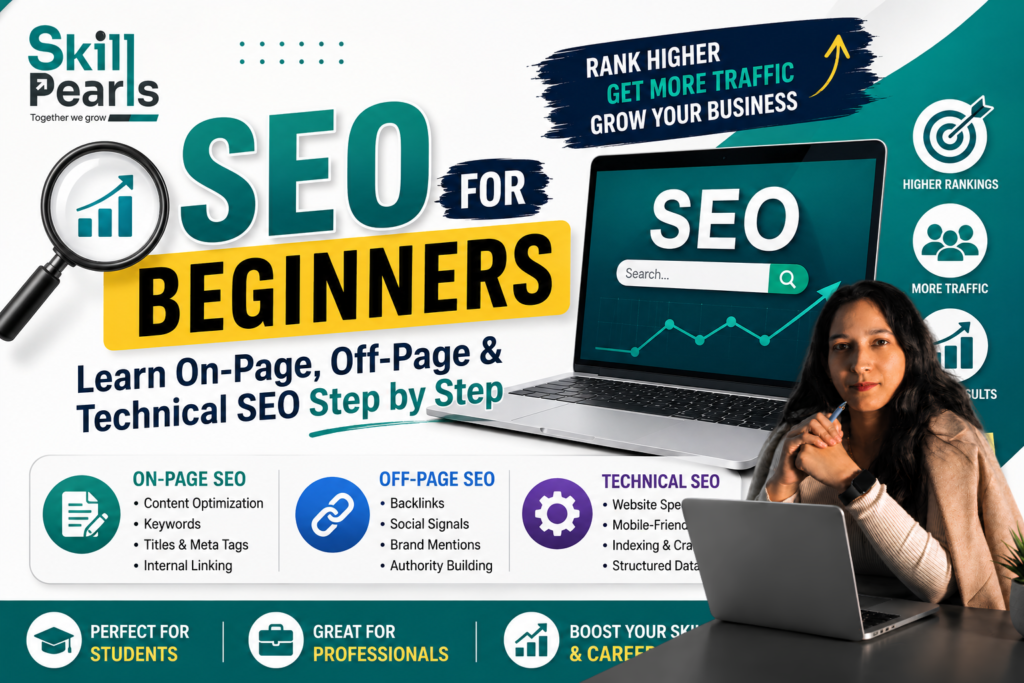
SEO के मुख्य हिस्से
- On-Page SEO — आपकी website के pages के अंदर किया जाने वाला optimization.
- Off-Page SEO — website के बाहर reputation, authority और visibility बनाने की activities.
- Technical SEO — website की technical foundation को search engines और users के लिए बेहतर बनाना.
सबसे आसान तरीका: On-Page = Website के अंदर | Off-Page = Website के बाहर | Technical SEO = Website की technical foundation
1. On-Page SEO क्या है?
On-Page SEO का मतलब है website के pages के content और page elements को optimize करना। इसमें title, headings, content, relevant keywords, URL, internal links, images, alt text, meta description, content structure, search intent और readability जैसे factors शामिल हो सकते हैं।
On-Page SEO का मतलब keyword को बार-बार डालना नहीं है। मुख्य उद्देश्य user के सवाल का useful, clear और relevant answer देना है।
2. Keyword क्या होता है?
Keyword वह word या phrase है जिसे user search engine में type करता है।
- “SEO क्या है?” — informational query
- “On Page SEO कैसे करें?” — specific informational query
- “Best SEO tools” — research/comparison intent
- “Buy SEO course” — transactional intent
Keyword research का उद्देश्य केवल keywords की list बनाना नहीं है। आपको यह समझना चाहिए कि user किस problem का answer चाहता है।
3. Search Intent क्या है?
Search Intent का मतलब है user वास्तव में क्या जानना, ढूंढना या करना चाहता है।
- Informational — user किसी topic को समझना चाहता है.
- Navigational — user किसी specific website या page तक पहुंचना चाहता है.
- Commercial Research — user options को compare करना चाहता है.
- Transactional — user किसी action, purchase या signup के करीब है.
Golden Rule: पहले user की जरूरत समझें, फिर content बनाएं।
4. SEO Title
Title page के मुख्य विषय को स्पष्ट करता है। अच्छा title descriptive, relevant और user-friendly होना चाहिए।
उदाहरण: “SEO क्या है? Beginners के लिए On-Page, Off-Page और Technical SEO Guide”
Title को keywords की list बनाने के बजाय page के actual content और user intent के अनुसार लिखें।
5. Headings: H1, H2 और H3
Headings content को logical structure देती हैं।
- H1 — page का मुख्य topic.
- H2 — बड़े sections.
- H3 — किसी H2 section के अंदर sub-topics.
उदाहरण: H1: SEO Guide → H2: On-Page SEO → H3: Title Optimization → H3: Internal Linking
6. Meta Description
Meta description page का short summary है जो search results में दिखाई दे सकता है। Search engines query के अनुसार displayed snippet बदल भी सकते हैं। इसलिए description को concise, useful और accurate रखें।
Example: “SEO क्या है? इस Hindi guide में On-Page, Off-Page और Technical SEO को practical examples के साथ समझें और अपनी website की search visibility बेहतर करने की strategy सीखें।”
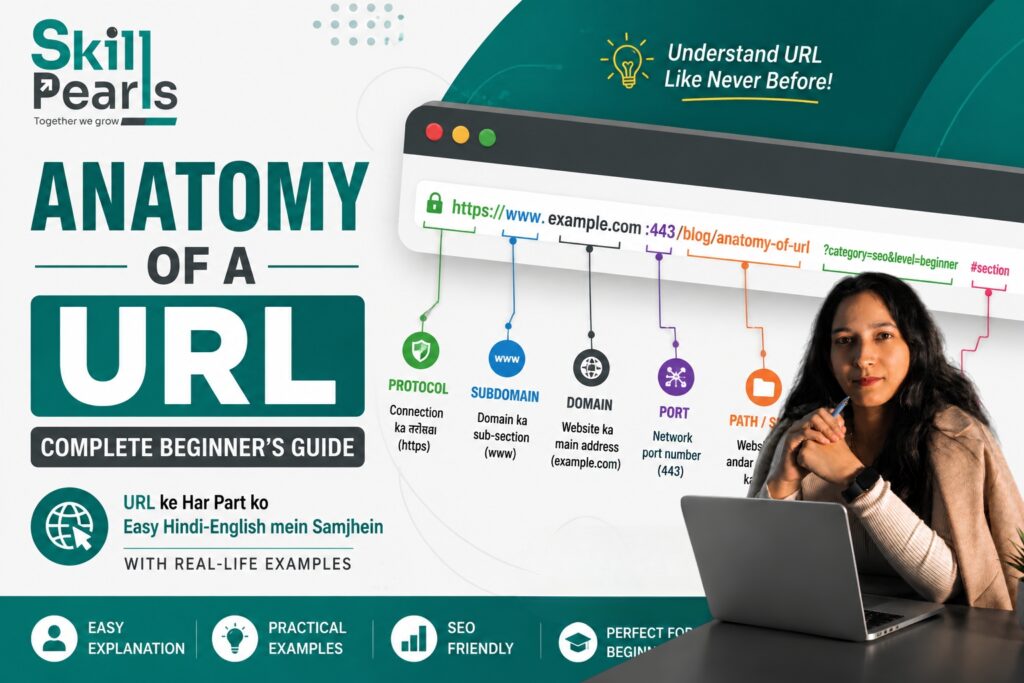
7. URL Optimization
URL को short और descriptive रखना useful practice है।
कम स्पष्ट: website.com/page?id=12345
बेहतर: website.com/seo-on-page-off-page/
8. Content Optimization
अच्छा SEO content केवल ज्यादा words वाला content नहीं होता। उसे user का सवाल answer करना, accurate information देना, clear language इस्तेमाल करना और topic को पर्याप्त depth में cover करना चाहिए।
- Useful और relevant information
- Clear headings
- Practical examples
- Natural language
- Original value
- Unnecessary repetition से बचाव
9. Keyword Placement
Primary topic या keyword को title, headings और body में natural context में इस्तेमाल किया जा सकता है। Keyword stuffing से बचें।
गलत approach: एक ही keyword को हर sentence में repeat करना।
बेहतर approach: topic के अलग-अलग relevant aspects को natural language में explain करना।
10. Internal Linking
Internal linking का मतलब अपनी website के एक page से उसी website के दूसरे relevant page पर link देना है।
उदाहरण: “SEO क्या है?” article से “Keyword Research Guide” और “Technical SEO Guide” जैसे related articles को link किया जा सकता है। इससे users को related information मिलती है और website का content structure अधिक connected बनता है।
11. Images और Alt Text
Relevant images content को समझने में मदद कर सकती हैं। Image file names और alt text descriptive रखें।
उदाहरण file name: on-page-seo-guide.jpg
Example alt text: “On-page SEO के मुख्य elements दिखाता हुआ SEO diagram”
Alt text का मुख्य उद्देश्य accessibility और image understanding है; इसमें keywords भरना नहीं चाहिए।
12. Practical On-Page SEO Example
मान लीजिए Skill Pearls website पर article है: “LinkedIn से नौकरी कैसे पाएं?”
- Primary topic: LinkedIn for Job Seekers
- Title: LinkedIn for Job Seekers: Profile, Job Search & Networking Guide
- URL: /linkedin-for-job-seekers/
- H2: LinkedIn Profile कैसे बनाएं?
- H2: LinkedIn पर Job कैसे Search करें?
- H2: Networking कैसे करें?
- Relevant internal link: Resume कैसे बनाएं?
- Relevant image और descriptive alt text
13. Off-Page SEO क्या है?
Off-Page SEO website के बाहर किए जाने वाले activities से जुड़ा है जो reputation, authority, relevance और visibility बनाने में मदद कर सकती हैं।
- Relevant backlinks
- Digital PR
- Brand mentions
- Genuine outreach
- Relevant community participation
- Useful content promotion
- Relationship building
14. Backlink क्या है?
जब किसी दूसरी website से आपकी website के किसी page पर link आता है, उसे backlink कहा जाता है।
उदाहरण: किसी relevant education या marketing website ने आपके useful SEO guide को reference करते हुए link दिया।
महत्वपूर्ण: हर backlink automatically अच्छा नहीं होता। Relevance, quality, context और natural acquisition ज्यादा महत्वपूर्ण हैं।
15. Natural Backlinks कैसे मिल सकते हैं?
Sustainable approach यह है कि ऐसा genuinely useful content बनाया जाए जिसे दूसरे लोग reference करना चाहें।
उदाहरण: “Students के लिए 100+ Free Digital Marketing Resources” जैसी original, well-researched resource page को educators, bloggers या relevant websites reference कर सकते हैं।
16. Guest Posting
Guest posting में आप किसी relevant website पर useful article contribute कर सकते हैं। यदि publisher की policy अनुमति देती है, तो author profile या relevant reference link मिल सकता है।
इसे mass backlink building के लिए नहीं, बल्कि quality content, relationships और relevant audience तक पहुंचने के लिए इस्तेमाल करना बेहतर है।
17. Digital PR और Brand Mentions
Original research, reports, tools या useful resources पर media और industry websites का coverage digital PR का हिस्सा हो सकता है।
Brand mention में दूसरी website आपकी company या resource का नाम mention कर सकती है, चाहे वह link दे या न दे।
18. Social Media और SEO
Social media को direct ranking shortcut नहीं समझना चाहिए। लेकिन social platforms content distribution, discovery, brand awareness और potential mentions या references के opportunities बढ़ा सकते हैं।
उद्देश्य social shares को ranking points मानना नहीं, बल्कि useful content को सही audience तक पहुंचाना होना चाहिए।
19. Technical SEO क्या है?
Technical SEO website की technical foundation को improve करने से जुड़ा है ताकि search engines pages को crawl और understand कर सकें और users को अच्छा experience मिले।
- Crawling और indexing
- XML sitemap
- Robots.txt
- Canonical URLs
- HTTPS
- Mobile usability
- Page performance
- Structured data
- Redirects
- Broken links
- Site architecture
20. Crawling और Indexing
Search engines automated systems के माध्यम से web pages discover और crawl करते हैं। Processing के बाद कोई page search index में शामिल किया जा सकता है।
Simple flow: Discovery → Crawling → Processing → Indexing → Search Results
केवल article publish करना पर्याप्त नहीं है; technical accessibility भी महत्वपूर्ण है।
21. Sitemap और Robots.txt
XML sitemap important URLs की machine-readable list होती है और search engines को pages discover करने में मदद कर सकती है।
Robots.txt crawlers को कुछ crawling instructions देने के लिए इस्तेमाल होती है। इसे बिना समझे modify नहीं करना चाहिए और इसे indexing control का complete replacement नहीं समझना चाहिए।
22. Mobile-Friendly Website
बहुत से users mobile devices से websites access करते हैं। इसलिए content readable, navigation आसान, buttons usable और layout responsive होना चाहिए।
अगर user mobile पर website use नहीं कर पाता, तो excellent content भी कम useful हो सकता है।
23. Website Speed और Page Experience
Page performance user experience का important हिस्सा है। Image sizes, unnecessary scripts, server performance, caching और layout stability जैसे factors पर ध्यान दें।
Google के Core Web Vitals user experience के कुछ aspects को measure करते हैं, लेकिन SEO को केवल एक speed score तक सीमित नहीं करना चाहिए।
24. On-Page SEO और Off-Page SEO में Difference
| On-Page SEO | Off-Page SEO |
| Website के अंदर optimization | Website के बाहर activities |
| Content optimization | Reputation / authority building |
| Title और headings | Backlinks |
| Keywords और search intent | Digital PR |
| Internal links | Brand mentions |
| Images और content structure | Relevant outreach |
25. Real-Life Example: Restaurant
SEO को restaurant example से समझना आसान है।
- On-Page SEO = Restaurant के अंदर menu, information, categories, photos और customer experience.
- Off-Page SEO = बाहर लोगों की recommendations, relevant reviews, media coverage और genuine references.
- Technical SEO = restaurant की infrastructure, accessibility और systems का ठीक से काम करना.
Website SEO में भी तीनों areas मिलकर मजबूत foundation बनाते हैं।
26. Complete SEO Strategy
- Website का goal तय करें — traffic, leads, sales, registrations या brand awareness.
- Audience और उनकी problems समझें.
- Relevant keyword topics और search intent research करें.
- Useful, accurate और original content बनाएं.
- Title, headings, URLs, internal links और images optimize करें.
- Indexability, sitemap, mobile usability, HTTPS और performance जैसे technical areas check करें.
- Useful content को relevant channels पर promote करें.
- Genuine relationships, mentions और quality references build करें.
- Search performance और conversions को measure करें.
- Data के आधार पर content और strategy लगातार improve करें.
27. Students के लिए SEO Learning Plan
| समय | Focus |
| Month 1 | SEO basics, keywords, search intent, On-Page, Off-Page, Technical SEO |
| Month 2 | Simple website, 5–10 useful articles, titles, internal links, images, Search Console |
| Month 3 | Competitor research, content gaps, technical audits, backlink analysis, measurement |
28. Beginners की Common SEO Mistakes
- Keyword stuffing करना.
- सिर्फ search engine के लिए robotic content लिखना.
- SEO को सिर्फ backlinks तक सीमित करना.
- Random या low-quality backlink opportunities पर निर्भर रहना.
- Duplicate content publish करना.
- Search intent को ignore करना.
- SEO results तुरंत expect करना.
- Technical SEO को पूरी तरह ignore करना.
- Analytics और Search Console data को न देखना.
- User experience की जगह केवल ranking number पर focus करना.
29. Useful SEO Tools
- Google Search Console — search performance और indexing information के लिए.
- Google Analytics — website traffic और user behavior समझने के लिए.
- Keyword research tools — topic और query research के लिए.
- SEO crawlers — technical audits और site structure के लिए.
- Page performance tools — performance और user experience issues के लिए.
Tool से ज्यादा important है data को समझना और सही decision लेना।
30. SEO का सबसे Important Rule
अगर इस पूरे guide से केवल एक बात याद रखनी हो, तो वह है:
SEO का उद्देश्य Google को खुश करना नहीं, बल्कि user के सवाल का सबसे useful answer देना है।
Google एक search engine है जिसका उद्देश्य users को relevant और useful results देना है। इसलिए आपका content भी Useful + Relevant + Clear + Trustworthy + Easy to Use होना चाहिए।
31. Quick SEO Checklist
On-Page SEO
- Primary topic clear है
- Title descriptive है
- H1 मौजूद है
- H2/H3 structure logical है
- Search intent satisfy हो रहा है
- Keyword naturally use हुआ है
- URL clean है
- Internal links relevant हैं
- Images optimized हैं
- Alt text descriptive है
- Meta description useful है
Technical SEO
- Page indexable है
- Sitemap available है
- Mobile-friendly है
- HTTPS enabled है
- Broken links check किए गए हैं
- Performance acceptable है
- Canonical setup सही है जहां आवश्यक हो
Off-Page SEO
- Useful content promotion
- Relevant outreach
- Genuine brand mentions
- Quality backlink opportunities
- Digital PR / partnerships
Final Conclusion
SEO कोई एक shortcut नहीं है। यह website के content, structure, technical foundation, user experience और online reputation पर लगातार काम करने की प्रक्रिया है।
On-Page SEO बताता है कि आपकी website क्या है और उसे कैसे present किया गया है। Off-Page SEO आपकी reputation और authority को broader web पर build करने में मदद करता है। Technical SEO website की foundation को search engines और users के लिए accessible और useful बनाने में मदद करता है।
सबसे practical formula:
User को समझें → Search Intent समझें → Useful Content बनाएं → On-Page Optimize करें → Technical Foundation मजबूत करें → Content को genuinely Promote करें → Results Measure करें → Improve करें
Learn SEO → Understand Users → Create Value → Optimize → Measure → Improve
Suggested SEO Details for Publishing
Recommended SEO Headline:
SEO क्या है? On-Page और Off-Page SEO की पूरी Guide | Beginners के लिए Complete SEO Guide
Focus Keyword:
On-Page SEO और Off-Page SEO
Suggested URL:
/seo-on-page-off-page/
Suggested Tags:
SEO, On-Page SEO, Off-Page SEO, Technical SEO, SEO Tutorial Hindi, SEO for Beginners, Keyword Research, Search Intent, Backlinks, Internal Linking, Digital Marketing, SEO Tips